

“Mom, it tastes better in a circle.”
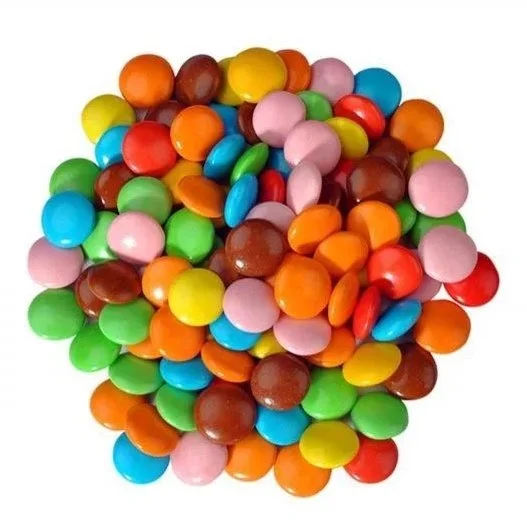
Studies demonstrate that people tend to associate round shapes—such as plates, glasses, and food forms—with positive taste experiences. For example, beer drunk from curved-sided glasses is rated fruitier and more intense, and round plates enhance the perception of sweetness in dishes like cheesecake.
This roundness effect extends beyond just food shapes to packaging and menus, where rounded elements are linked to sweeter taste associations.
In essence, the circle shape influences the sensory perception of taste, making food and drink seem more flavorful and enjoyable compared to angular or square shapes.
The technique of centered circles, where components are stacked or placed revolving around the plate’s center, often elevates the dish’s stature and focus. Others adopt off-center circular designs to create dynamic tension and visual interest. This approach is seen as both a classic and modern plating style among Michelin-star chefs and fine dining experts.
Cutting and serving food in circular forms or arranging elements in circles signifies a deliberate artistic choice to enhance sensory perceptions including taste, as circles are associated with sweetness and completeness in culinary psychology. This preference especially influences your enjoyment of “hedonic foods,” those foods consumed mostly for pleasure.
This shape-sweetness association is partly cultural, because today we associate circles with pies and cakes. But, this preference is also rooted in evolutionary psychology — because round foods like fruits and berries register as safe and nourishing.
So, your giant rainbow lollipop being round is not just random design, but a choice meant to draw in your brain and taste buds.